Scroll through male vitality supplement labels and you'll see Tongkat Ali doses ranging from 50mg to 1,000mg or more. That range makes a lot more sense once you understand what an extract ratio is actually describing.
Raw herb vs concentrated extract
Raw Tongkat Ali root, dried and powdered, is relatively low in the specific active compounds researchers study. To get a meaningful concentration into a reasonably sized capsule, manufacturers process large quantities of raw root down into a much smaller amount of concentrated extract — the same basic idea as reducing a sauce.
Reading the ratio
A "100:1 extract" means 100 units of raw root were used to produce 1 unit of finished extract. So 10mg of a 100:1 extract is derived from roughly 1,000mg (100 x 10) of raw dry root. Both numbers describe the same amount of underlying material — one measures the concentrated final product, the other estimates the raw material it came from.
Why some labels only show the bigger number
A label that says "1,000mg Tongkat Ali" without mentioning it's a dry-root equivalent from an extract sounds far more impressive than "10mg of a 100:1 extract" — even though, done honestly, they can describe the identical amount of material. This is a common area where marketing language outruns technical accuracy, sometimes deliberately.
What to actually look for
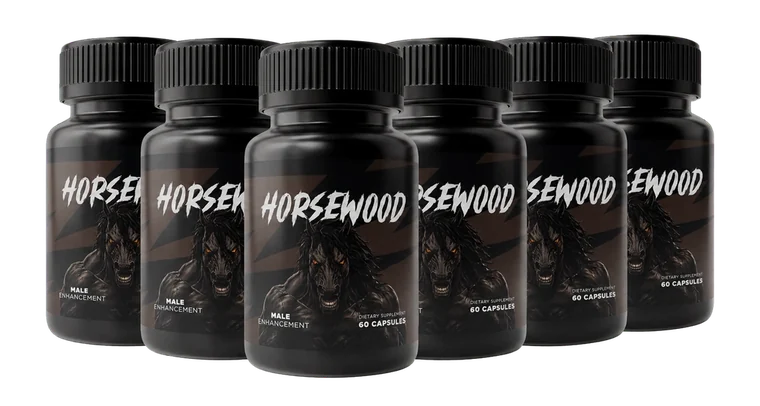
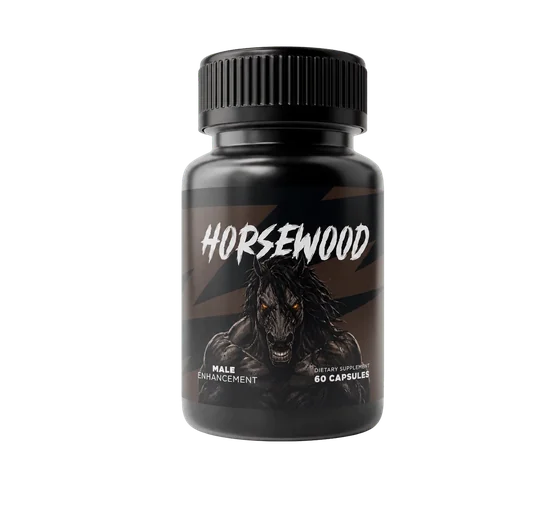
A trustworthy label states both the extract weight and the ratio (or the dry equivalent), the way Horsewood's does: 10mg of a 100:1 extract, ~1,000mg dry equivalent. If a product only shows one number with no extract basis, there's no way to verify what you're actually getting relative to the raw herb.